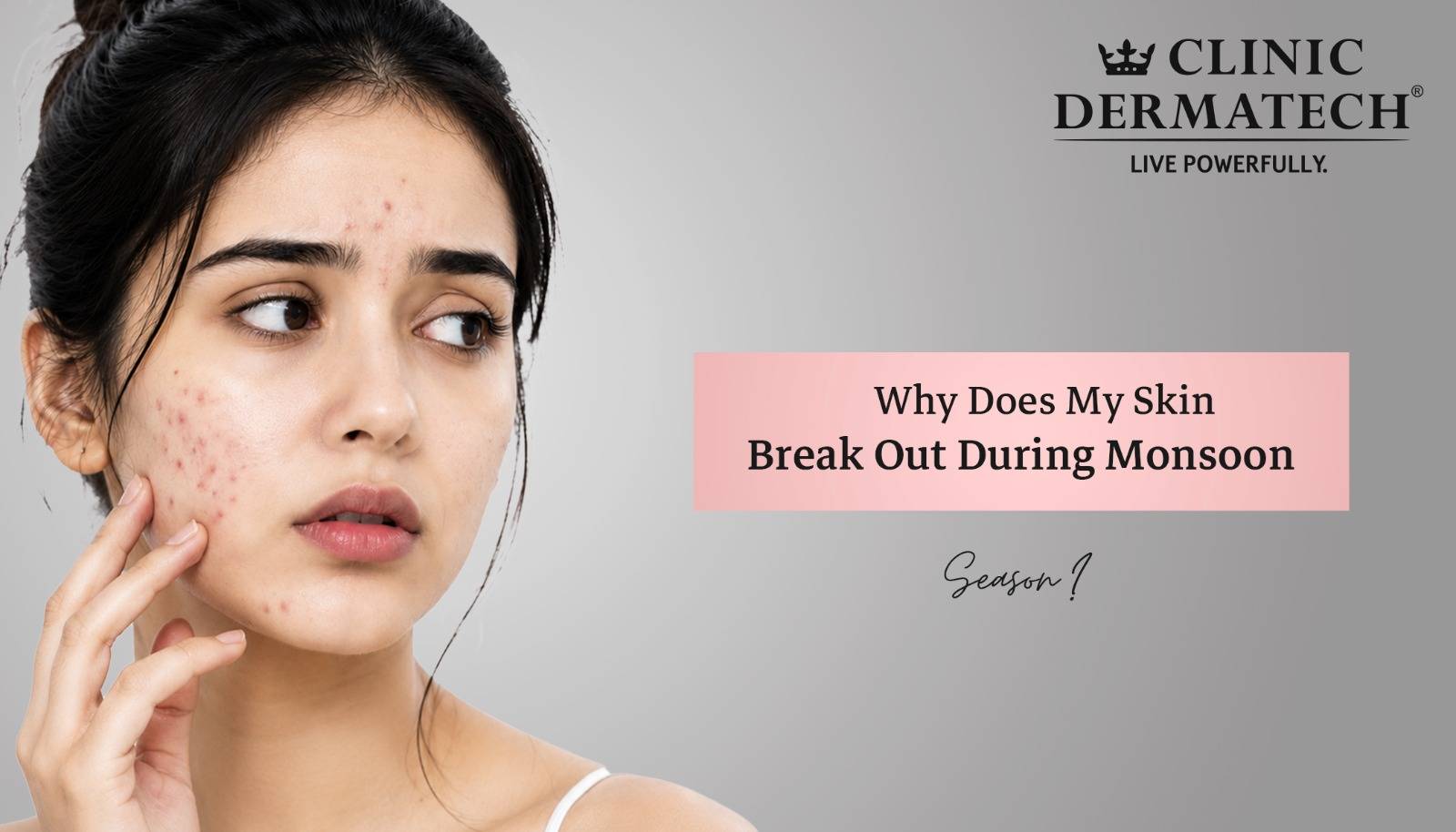
The rainy season is a welcome break from the scorching summer heat. Everything feels fresher, the weather becomes cooler, and the air smells amazing after the first rain. But while monsoon is great for the weather, your skin may not feel the same way.
If you’ve noticed more pimples, oily skin, or sudden acne every time the rains arrive, you’re definitely not alone. Skin breakouts during monsoon are extremely common, especially if you already have oily or acne-prone skin. The combination of high humidity, sweat, dirt, and bacteria creates the perfect environment for clogged pores and inflammation.
The good news? A few changes to your skincare routine and lifestyle can make a huge difference. Let’s understand why monsoon acne happens and what you can do to keep your skin healthy throughout the season.
Why Does Acne Get Worse During Monsoon?
Unlike summer, where sweat evaporates quickly, the humidity during monsoon prevents sweat from drying properly. This leaves your skin feeling sticky for hours.
🌟 Prefer Clinic Dermatech on Google?
See our expert skincare articles first whenever you search on Google!
★ Add Us on Google
When sweat mixes with excess oil, dead skin cells, pollution, and bacteria, your pores become blocked. Once pores get clogged, pimples, blackheads, and painful acne start appearing.
This is one of the biggest reasons behind skin breakouts during the monsoon.
People with naturally oily skin in the monsoon often notice that their face looks shinier than usual. That’s because the sebaceous glands continue producing oil, but the moisture in the air makes the skin feel even greasier.
Common Reasons Behind Monsoon Acne
There isn’t just one reason your skin starts acting up during the rainy season. Usually, it’s a combination of several factors.
High Humidity
Humidity is probably the biggest culprit. Excess moisture in the air encourages oil production and makes your skin feel constantly damp. This increases the chances of clogged pores.
Sweat and Dirt
Even if the weather feels cool, your body continues to sweat. Sweat mixes with dust, pollution, and bacteria sitting on your skin, making breakouts more likely.
Bacterial Growth
Warm and damp weather is ideal for bacteria and fungi. These microorganisms can trigger inflammation, leading to pimples and irritated skin.
Touching Your Face Frequently
Rainwater, wet hands, wiping your face repeatedly, or adjusting your hair can transfer bacteria to your skin without you even realising it.
Skipping Skincare
Many people think sunscreen or moisturiser isn’t needed during cloudy weather. Others avoid cleansing because they don’t feel sweaty. These habits can actually make acne worse.
Signs That Your Monsoon Skincare Routine Needs Attention
Sometimes your skin gives small warning signs before severe acne develops.
Watch out for:
- Sudden oiliness within a few hours of washing your face
- Small bumps on the forehead or cheeks
- Whiteheads and blackheads increasing
- Painful pimples around the chin and jawline
- Enlarged pores
- Redness and irritation
- Acne marks are taking longer to heal
If these problems continue despite following a good routine, it may be time to seek professional help.
Easy Monsoon Skincare Tips That Actually Work
Taking care of your skin during the rainy season doesn’t have to be complicated.
Here are some simple monsoon skincare tips you can follow every day.
Cleanse Twice Daily
Use a gentle cleanser in the morning and before bedtime to remove oil, sweat, and dirt. Avoid washing your face too many times because over-cleansing can make your skin produce even more oil.
Choose Lightweight Products
Heavy creams can feel greasy during humid weather. Instead, opt for lightweight, non-comedogenic moisturisers that hydrate without clogging pores.
Don’t Skip Sunscreen
Just because the sun isn’t visible doesn’t mean UV rays disappear. Wear a broad-spectrum sunscreen every day, even on cloudy or rainy days.
Keep Your Hands Away
Touching your face repeatedly transfers bacteria and dirt to your skin. It sounds like a small habit, but breaking it can reduce unexpected breakouts.
Stay Hydrated
Your skin still needs water, even during the monsoon. Drinking enough water helps maintain healthy skin and supports its natural repair process.
These simple habits go a long way if you’re wondering how to prevent acne in the monsoon. Consistency matters more than using dozens of expensive products.
Foods That Can Make Monsoon Acne Worse
What you eat can also affect your skin, especially if you’re already dealing with acne. While food isn’t the only reason behind breakouts, some eating habits may make inflammation worse.
Try to limit:
- Sugary drinks and desserts
- Deep-fried snacks that are popular during rainy days
- Processed foods with high amounts of refined flour
- Excess dairy, if you notice it triggers your acne
Instead, include fresh fruits, leafy vegetables, nuts, seeds, and foods rich in antioxidants. Drinking enough water is equally important, even if you don’t feel as thirsty during the rainy season.
Common Mistakes That Can Trigger More Breakouts
Sometimes, it’s not the weather but our skincare habits that make things worse.
Here are a few mistakes to avoid:
Overwashing Your Face
Many people wash their face every hour to remove oil. Unfortunately, this strips away your skin’s natural barrier, causing it to produce even more oil.
Using Heavy Makeup
Thick foundation and heavy makeup can trap sweat and oil, increasing the risk of clogged pores. If possible, keep your makeup light during the monsoon.
Sleeping Without Cleansing
Never go to bed without washing off sunscreen, makeup, and dirt collected throughout the day. This is one of the quickest ways to wake up with new pimples.
Trying Every Home Remedy
Lemon juice, toothpaste, baking soda, and harsh scrubs often do more harm than good. They can irritate the skin and leave behind stubborn acne marks.
How to Prevent Pimples During Monsoon
If you’re wondering how to prevent pimples during monsoon, remember that consistency is more important than having an expensive skincare shelf.
Here’s a simple routine you can follow every day:
- Cleanse your face twice daily with a gentle face wash.
- Use an oil-free, non-comedogenic moisturizer.
- Apply sunscreen every morning, even on cloudy days.
- Avoid touching or popping pimples.
- Change your pillowcases regularly.
- Wash your face after excessive sweating.
- Eat a balanced diet and stay hydrated.
- Get enough sleep to support healthy skin repair.
These habits not only help reduce breakouts but also improve your skin’s overall health over time. They’re also some of the easiest answers to how to prevent acne in monsoon without making your routine complicated.
When Should You See a Dermatologist?
A few occasional pimples are normal. But if you’re getting painful acne, recurring breakouts, or acne that leaves scars, it’s best not to wait.
A dermatologist can identify the underlying cause of your acne and recommend treatments based on your skin type instead of relying on trial and error.
Professional care can also prevent permanent acne scars, which are much harder to treat later.
Acne Treatment for Monsoon at Clinic Dermatech
Sometimes, even the best skincare routine isn’t enough to control persistent acne. That’s where professional treatment can make a real difference.
Clinic Dermatech offers personalised acne solutions after a detailed skin analysis. Depending on your skin condition, dermatologists may recommend medical-grade peels, laser-based acne treatments, advanced facials, or other dermatologist-approved procedures to reduce active acne, control excess oil, and improve overall skin health. The treatment plan is customised according to your skin type and the severity of your acne rather than using the same approach for everyone.
If you’ve been searching for an effective acne treatment for monsoon, consulting experienced skin specialists can help you manage recurring breakouts before they become a long-term concern. Along with treatment, you’ll also receive guidance on skincare products and daily habits that suit your skin during the rainy season.
Healthy skin isn’t about trying every trend online. It’s about understanding what your skin needs and giving it the right care at the right time.
FAQs