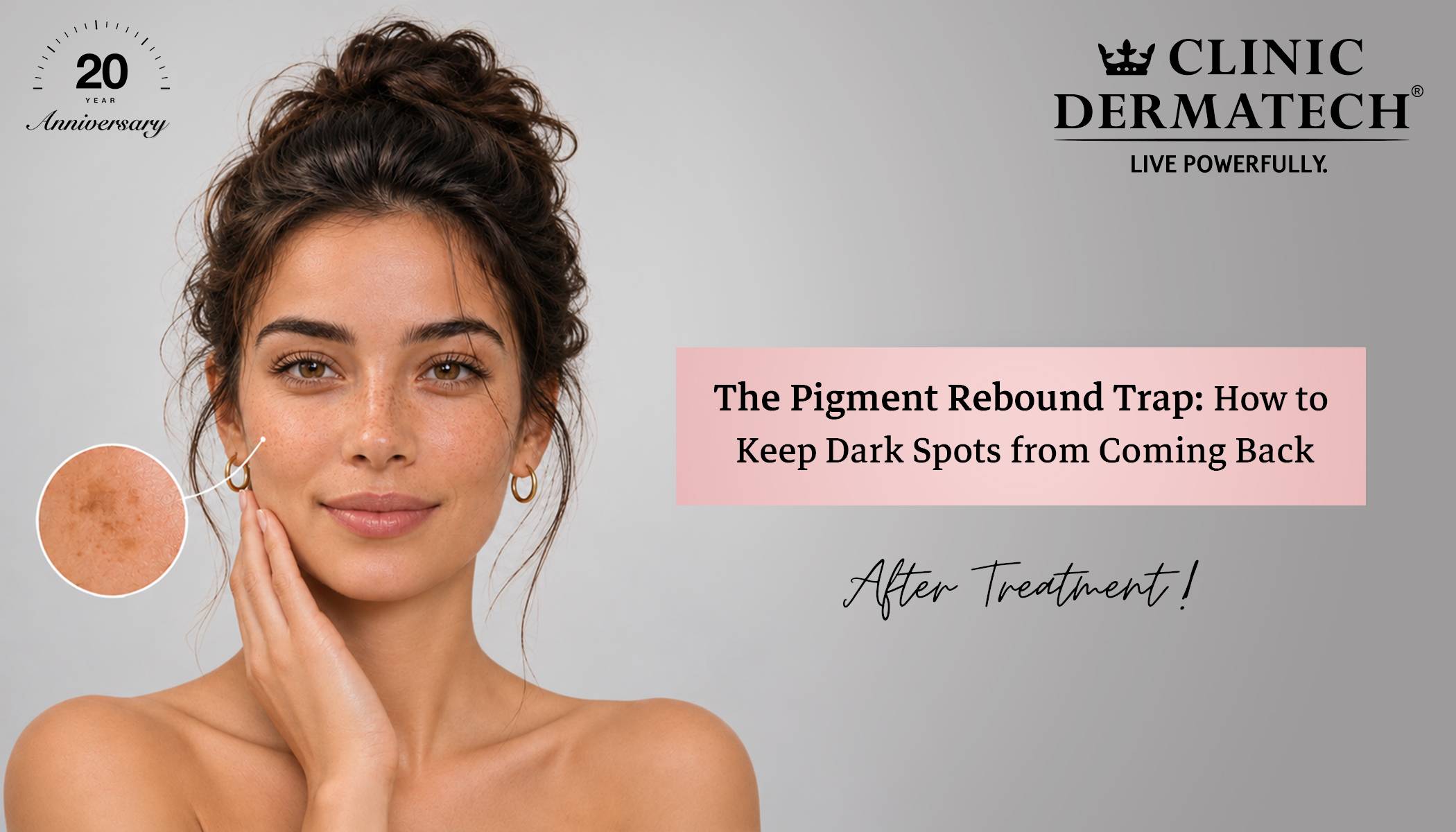
Pigmentation treatment does not end when dark spots fade. One of the biggest challenges in aesthetic practice is preventing pigmentation from returning after successful treatment. Patients may experience significant improvement following professional procedures, only to notice dark patches reappearing weeks or months later. This is commonly known as the pigment rebound trap.
Pigmentation is influenced by several factors, including UV exposure, visible light, hormonal changes, inflammation and compromised skin barrier function. Therefore, achieving visible improvement requires more than simply targeting existing pigmentation. Long-term management and consistent skincare are equally important.
Why Does Pigmentation Return?
UV radiation and visible light can stimulate melanin production, while acne, irritation, friction and aggressive procedures can trigger post-inflammatory hyperpigmentation (PIH). An impaired skin barrier can further increase sensitivity and inflammation.
Melasma, in particular, is a chronic, recurrent condition that requires continuous management rather than a one-time corrective treatment.
🌟 Prefer Clinic Dermatech on Google?
See our expert skincare articles first whenever you search on Google!
★ Add Us on Google
In-Clinic Treatments: Correcting Existing Pigmentation
A personalised treatment plan begins by identifying the type, depth, and severity of pigmentation, and by assessing the patient’s skin type and sensitivity.
Depending on the clinical indication, our in-house treatment options include:
- Professional facials: To support skin cleansing, hydration and overall skin quality.
- Chemical peels: Including glycolic acid peels, yellow peels, Meline peels and other superficial peels selected according to individual concerns.
- Mesotherapy: Including eyebrow mesotherapy and other indicated protocols.
- Laser treatments: Q-switched laser and laser toning to address selected pigmentary concerns with carefully adjusted parameters.
- Regenerative treatments: PRP, PDRN and GFC as adjunctive procedures in selected treatment plans.
The choice of procedure, frequency and intensity depends on individual assessment. Over-treatment and excessive inflammation can increase the risk of pigmentation recurrence.
The Most Important Step: Post-Treatment Care
One of the most overlooked aspects of pigmentation management is aftercare.
Even a carefully performed in-clinic procedure may deliver suboptimal long-term results if patients do not follow an appropriate home-care routine.
At our clinic, we emphasise personalised skincare after every treatment. This generally includes:
- Suitable face wash: A gentle cleanser that maintains skin hygiene without stripping the natural skin barrier.
- Prescribed serums: Selected according to pigmentation concerns, skin sensitivity and treatment goals.
- Daily sunscreen: Broad-spectrum SPF 50+, with tinted formulations containing iron oxides where appropriate, to protect against UV and visible light.
- Night cream: A suitable maintenance formulation to support skin recovery, hydration and ongoing skincare goals.
Patients should also be counselled about sunscreen reapplication, avoiding unnecessary exfoliation and following procedure-specific aftercare instructions.
The Clinical Takeaway
Pigmentation management is not a one-session solution. In-clinic procedures help address existing concerns, but consistent aftercare plays a crucial role in maintaining improvement.
The real success of treatment lies in combining appropriate procedures with personalised skincare, barrier support, photoprotection and long-term patient compliance.
Treat in the clinic. Maintain at home. Protect the results